Finish
German Smear Brick: The Rustic, Old-World Mortar Wash
German smear (or schmear) is wet mortar smeared over brick and partly wiped away, leaving a textured, hand-troweled look. Here's how it's done, what it costs, and why it's permanent.
6 min read
The short version
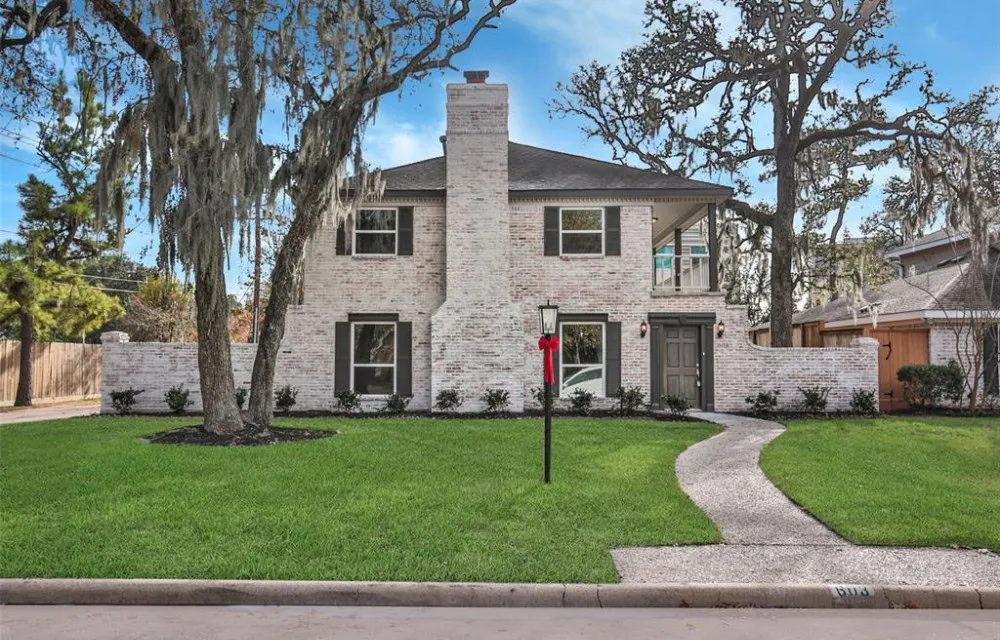
German smear (often spelled schmear) is a mortar wash: a wet mix of mortar — typically white — is smeared across the face of the brick, then selectively knocked back so some brick shows through. Instead of just changing the color, it changes the surface: you get raised, irregular mortar, softened edges, and patches of original brick peeking out. It’s the look of an old European cottage whose mortar has spread and weathered over a century. It’s also permanent.
Where the look comes from
The style imitates the heavy, overflowing mortar joints of old northern European masonry, where builders weren’t trying to keep mortar off the brick face. Today it shows up mostly on higher-end new construction, renovated older homes, and historic-style properties.
How German smear is applied
- Inspect and repair. Cracks, loose brick, and failed joints are fixed first. Smear magnifies defects.
- Clean and dampen the wall so the brick doesn’t suck the water out of the mortar too fast.
- Mix the mortar to a consistency stiff enough to stay put but wet enough to spread — typically a white mortar mix of portland cement, lime, sand, and water.
- Smear it on with a trowel, grout bag, or gloved hand, working in small sections.
- Knock it back. Before it sets, the applicator wipes, brushes, or scrapes away mortar from some brick faces to expose them. How much is removed is the whole design — 30% coverage looks very different from 70%.
- Cure slowly, protected from hard rain and blazing sun.
- Seal with a breathable water repellent (recommended) to help it shed dirt and water.
What to decide before you start
- Coverage: light (lots of brick showing), medium, or heavy (mostly mortar, close to slurry).
- Mortar color: bright white is classic; warm whites, creams, and light grays read softer.
- Texture: smooth-wiped vs. rough-troweled vs. deliberately irregular.
A good contractor will do a sample panel on your actual wall — Brick Restoration does a roughly 3×3 ft sample for approval before starting the full job.
Pros
- Real, physical texture and depth — the most “artisan” of the washes
- Hides a brick color you dislike more effectively than limewash or whitewash
- Durable: cured mortar on masonry, no film to peel
- Mineral-based, so it doesn’t trap moisture the way latex paint can
Cons
- Effectively irreversible. Removing cured mortar from brick means aggressive grinding or chemical stripping that can damage the brick.
- Labor-intensive, so it usually costs more than limewash or whitewash.
- Hard to DIY well. Consistency of the look across a whole house takes experience.
- Shows dirt like any light finish — a sealer and occasional gentle wash help.
German smear vs. slurry
Same materials, different coverage. German smear leaves brick partially exposed for a rustic, varied look. Slurry covers nearly the whole surface for a stucco-like finish. → Slurry
German smear vs. limewash
Limewash changes what you see; German smear changes what you feel. Limewash is breathable, softer, and partly reversible; German smear is textured and permanent. → Full comparison
Cost
German smear is priced as masonry work, not painting. For a whole-home exterior, Brick Restoration’s decorative wash projects typically fall between $12,000 and $25,000, depending on wall area, height, and repairs. → Cost guide
- Family owned since 1993
- 800+ reviews
- 20,000+ projects
- BBB A+
- 1-year workmanship warranty
- Financing available
Frequently asked questions
Is German smear permanent?
How much does a decorative wash cost?
Can I DIY German smear?
Can I see a sample first?
German smear in the real world
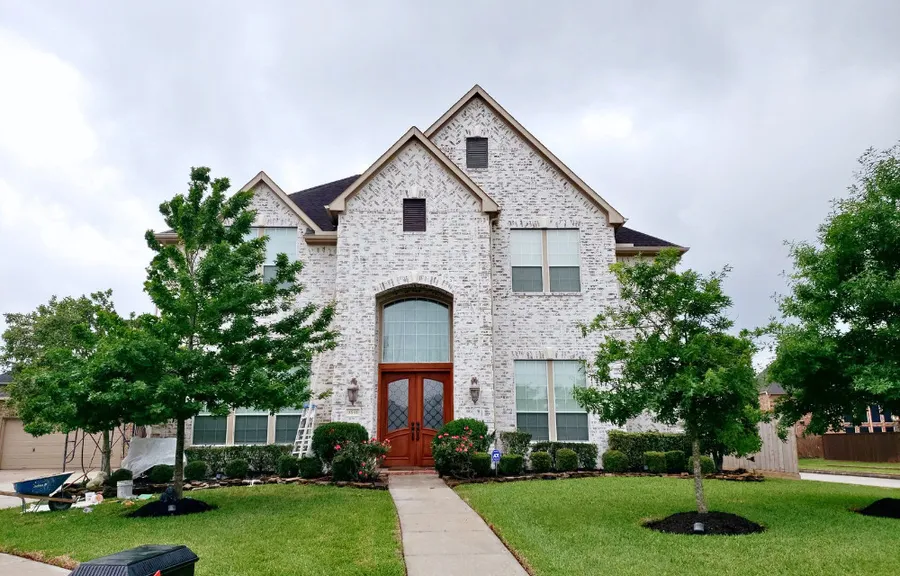
Brick Restoration german smear projects across the Houston area.
 League City